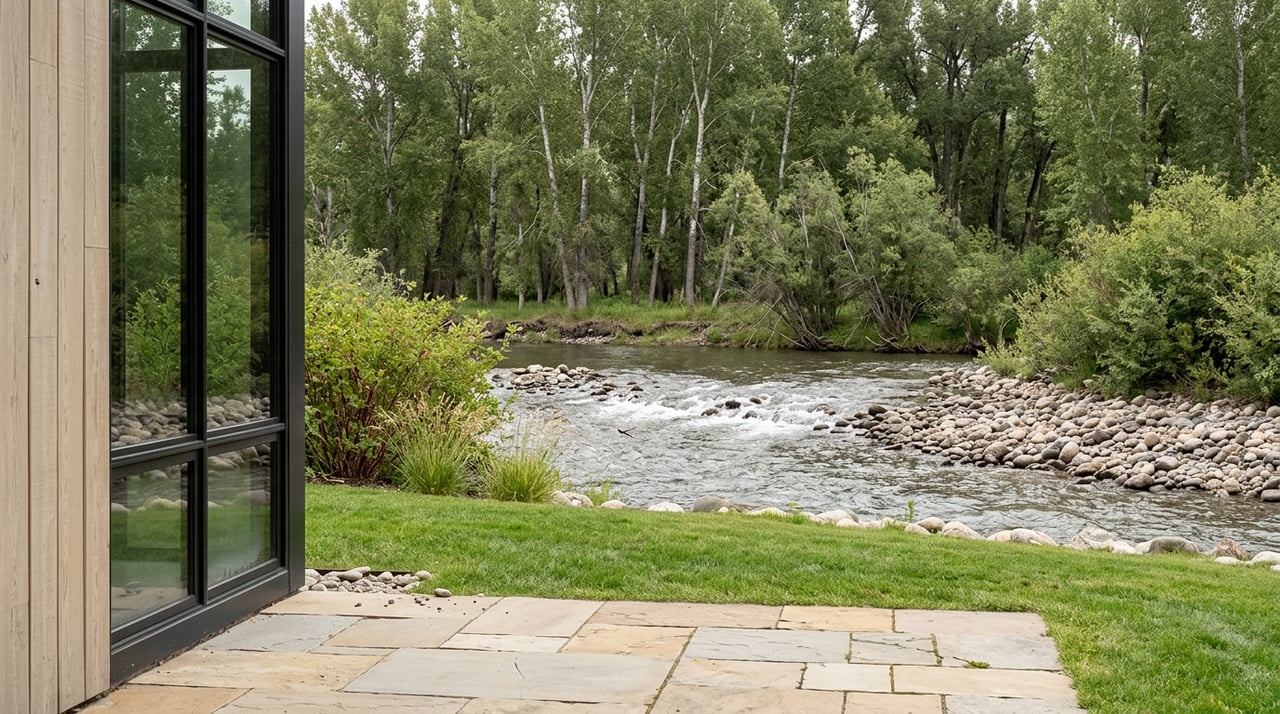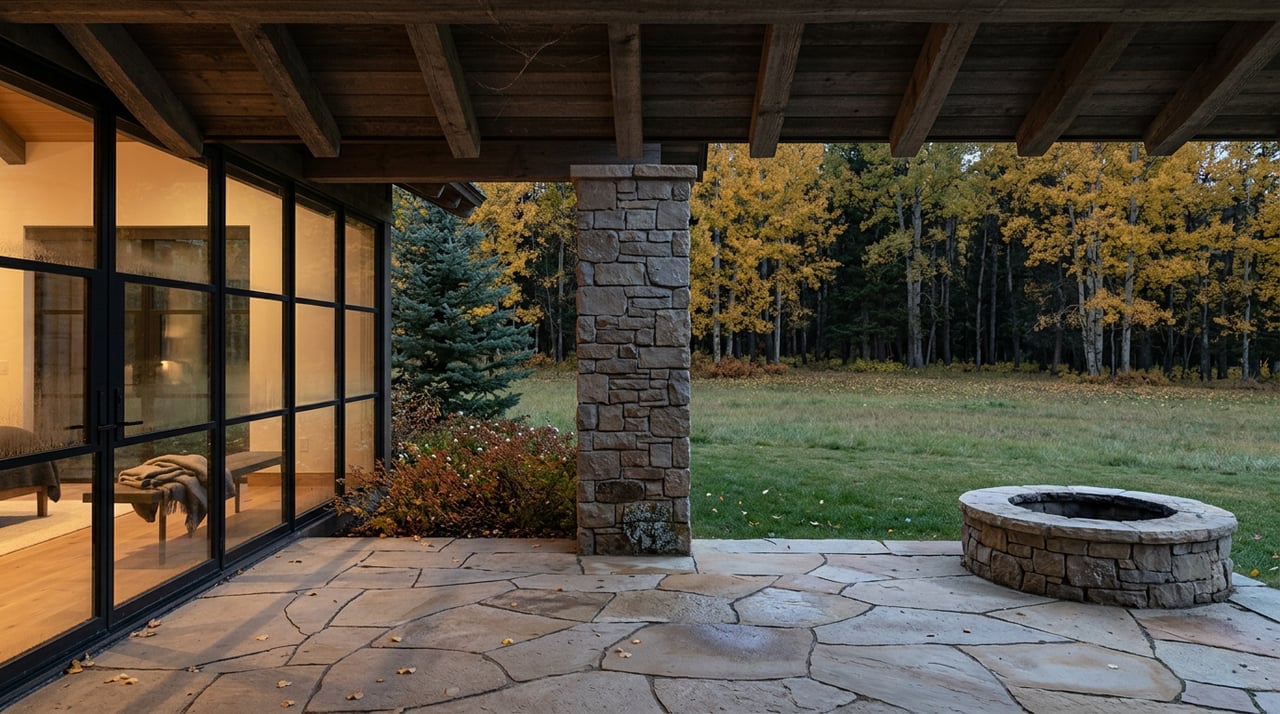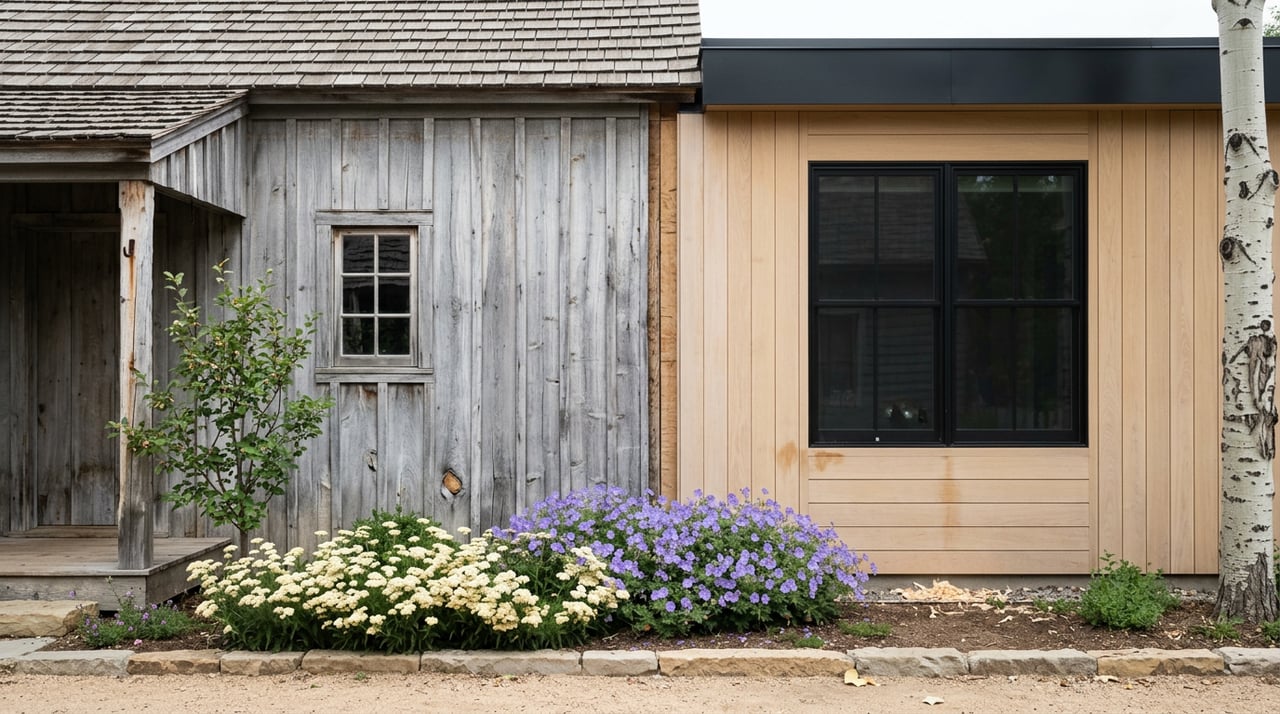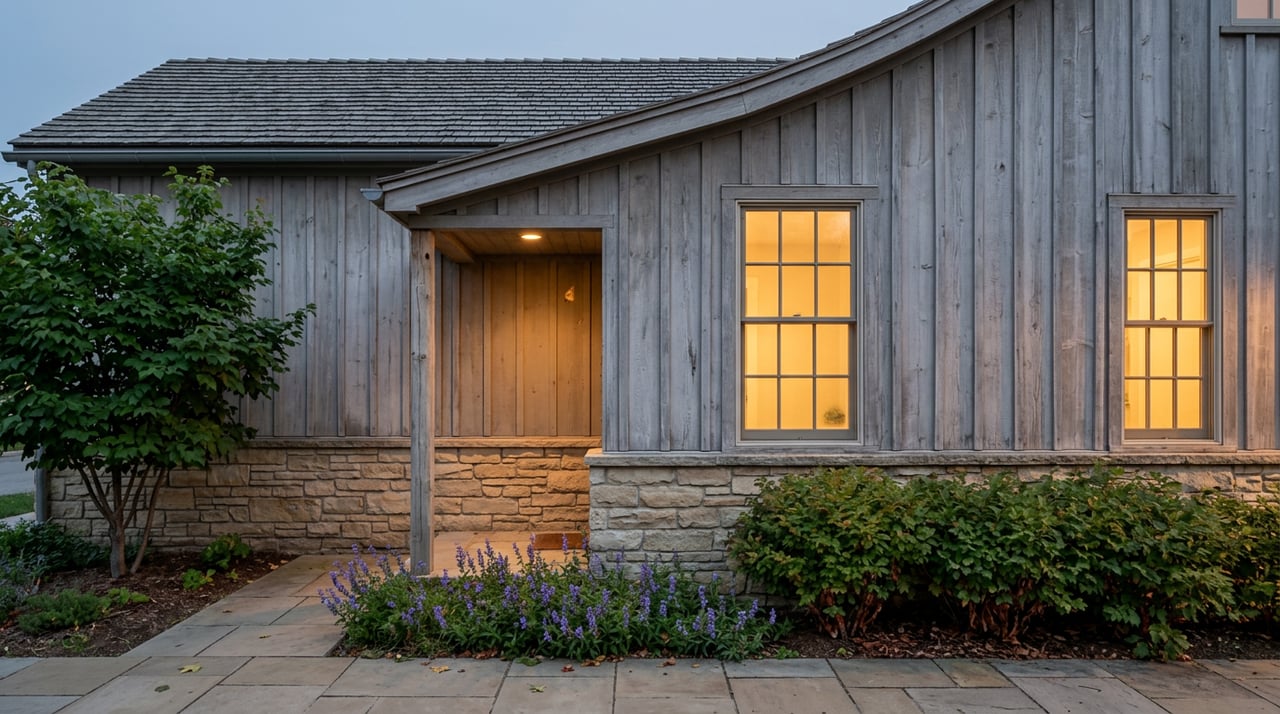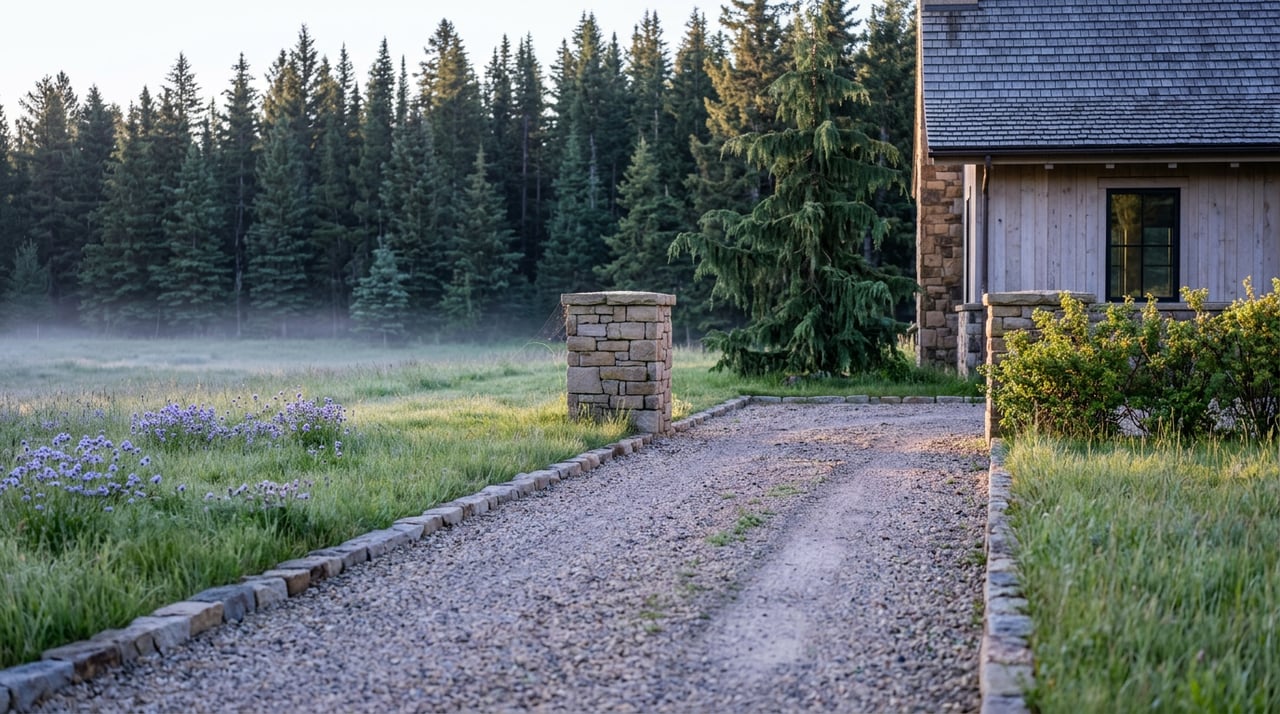
Two buyers are comparing homes on Knollwood, a quiet enclave off McLain Flats Road. Same subdivision name on the title report. Same school bus stop. Same view of Aspen Mountain from the porch. One buyer's closing statement includes a line for the city's real estate transfer tax. The other's doesn't. Neither buyer did anything wrong. The difference has nothing to do with the house, the price, or the negotiation. It comes down to which side of Highway 82 the lot happens to sit on.
That's the part of Aspen's transfer tax that rarely makes it into a general explainer: the tax isn't a feature of the neighborhood, the zip code, or even the MLS area name. It's a feature of the municipal boundary, and that boundary was drawn parcel by parcel over decades of annexation. It doesn't track the way people actually talk about where they live in the Roaring Fork Valley.
One Tax, Two Purposes, and a Line That Doesn't Match the Map
The City of Aspen collects a Real Estate Transfer Tax on property sold inside city limits, not on property sold in Pitkin County generally. The Pitkin County government is explicit about this: it's the City of Aspen and the Town of Snowmass Village that collect transfer taxes within their own boundaries, not the county as a whole. Buy a home a few hundred yards outside the city line, and there is no equivalent county-level tax waiting to catch you. Buy one a few hundred yards on the other side of that same line, and the tax applies in full.
That single fact reframes the question every buyer should be asking before they write an offer. It isn't "does Aspen have a transfer tax." It's "is this specific parcel inside the city, or isn't it." Those are two different questions, and the second one requires checking a legal description, not a listing sheet.
City code puts the obligation on the buyer's side of the table. As the city states plainly in its own guidance on the tax: transfer taxes are the responsibility of the purchasing party, and unpaid tax can result in a lien against the property until it's resolved. That's a detail worth knowing before you're at the closing table, not during it.
What the 1.5% Actually Breaks Down To
Where the tax does apply, it isn't a single line item. It's two separate voter-approved taxes stacked together, each with its own history and its own purpose. A 0.5% tax funds the Wheeler Opera House, approved by Aspen voters back in 1978 and still in effect today. A separate 1.0% tax funds the city's affordable housing programs. Together they add up to the 1.5% figure most people mean when they say "the Aspen transfer tax."
The housing portion carries a detail that changes the math on smaller transactions: the city excludes the first $100,000 of the sale price from that 1.0% calculation before applying the rate. The Wheeler portion has no such exclusion, since it applies to the full consideration.
Run the numbers on a $2.5 million purchase inside city limits, and the difference is real money. The Wheeler tax is 0.5% of the full $2.5 million, or $12,500. The housing tax is 1.0% of $2.4 million after the exclusion, or $24,000. Total: $36,500. That's before any exemption applies.
For scale, legal comparisons across Colorado mountain towns put this in context. On a $1 million property in Crested Butte or Telluride, the local transfer tax alone runs $30,000. In Aspen, the same property owes roughly $13,500 after the $100,000 exclusion on the housing portion. Aspen's combined rate is lower than some of its peer resort towns, and the exclusion softens the bite further on lower-priced transactions. But that number only applies if the parcel is inside the city. Step outside the line, and the number is zero, regardless of price.
Snowmass Village, a few miles away, runs its own separate system entirely: a 1.0% transfer tax under its own town ordinance, distinct from Aspen's rate and Aspen's exclusion. If you're comparing a home in Aspen to one in Snowmass Village, you're comparing two different tax structures set by two different governments, not one tax that happens to apply differently.
Where the Line Actually Runs
This is the part that surprises people who assume "Aspen" is a single tax zone. It isn't. Whether a specific subdivision falls inside city limits or in unincorporated Pitkin County depends entirely on that parcel's annexation history, and annexation in Aspen has happened in pieces, not all at once.
| Neighborhood or Street | Jurisdiction | RETT Applies |
|---|---|---|
| Five Trees Lane | Originally Pitkin County, later annexed into the City of Aspen | Yes |
| Red Butte Drive, Red Mountain | City of Aspen | Yes |
| McSkimming / Eastwood | City of Aspen | Yes |
| Aspen Highlands | City of Aspen, annexed | Yes |
| Meadowood | Unincorporated Pitkin County | No |
| Mountain Valley | Unincorporated Pitkin County | No |
| Knollwood | Split by which side of Highway 82 the parcel sits on | Depends on the lot |
Five Trees is a useful example of how these lines get drawn. The parcel started out in unincorporated Pitkin County and was later annexed into the city, which means its transfer tax status changed along with its jurisdiction, not because anyone moved the house. Red Mountain works the other direction in one sense and the same direction in another: the ridge itself has stretches inside the city, where the tax applies, and stretches that remain in the county, where it doesn't, depending on exactly where along the ridge a given lot sits.
Meadowood is the clearest illustration that being outside the tax isn't automatically a windfall with no offsetting difference. Because Meadowood sits in unincorporated Pitkin County and shares a designated open space parcel, the county allows each lot there additional allowed floor area as its portion of that shared open space. No transfer tax, but also a different set of building rules than an in-city lot would have. The trade-off isn't a wash in dollar terms, but it's a reminder that jurisdiction determines more than just the closing statement. It also shapes what you're allowed to build.
Before You Write the Offer
None of this shows up on a standard listing sheet. A property can carry an "Aspen, CO" mailing address and sit entirely in unincorporated Pitkin County, or vice versa. The way to find out isn't guesswork. It's a short list of things to confirm before you're committed to a price:
- Ask your title company to confirm the parcel's legal jurisdiction, not just its mailing address, before you finalize an offer price.
- If the property might qualify for an exemption, such as a transfer where ownership percentage doesn't change during a business restructuring, get the required documentation together early. The city's exemption forms typically call for the signed deed, a completed computation or exemption form, and any supporting records like trust documents or operating agreements.
- Build the tax into your written offer strategy rather than your closing-week budget. On a multimillion-dollar purchase, a $30,000 to $40,000 line item is not something you want to discover for the first time on your final settlement statement.
- If you're comparing a property in the city against one in the county or in Snowmass Village, ask for the tax exposure on each before you compare them as apples to apples. The listing price tells you nothing about this.
One more small but real number worth knowing: the flat recording fee charged when any deed is filed in Colorado became a standardized $43 per document statewide as of July 1, 2025, replacing a system that used to vary by page count and by county. It's a minor cost next to the transfer tax itself, but it's one more line that shows up at the same moment, and it's worth not being surprised by either one.
The broader point isn't that Aspen's transfer tax is unusually complicated. It's that the tax follows a legal boundary most buyers never think to check, because the boundary doesn't match the way anyone actually describes where they live. Two houses that both get called "Aspen" in conversation can sit on opposite sides of that line. Knowing which side yours is on, before you write the number on your offer, is the difference between a closing statement that matches your expectations and one that doesn't.
If you're comparing properties across this boundary and want a clear read on where a specific parcel actually falls before you make an offer, Michael Latousek has spent more than 25 years working these lines street by street across Aspen and the Upper Roaring Fork Valley. Let's Connect.