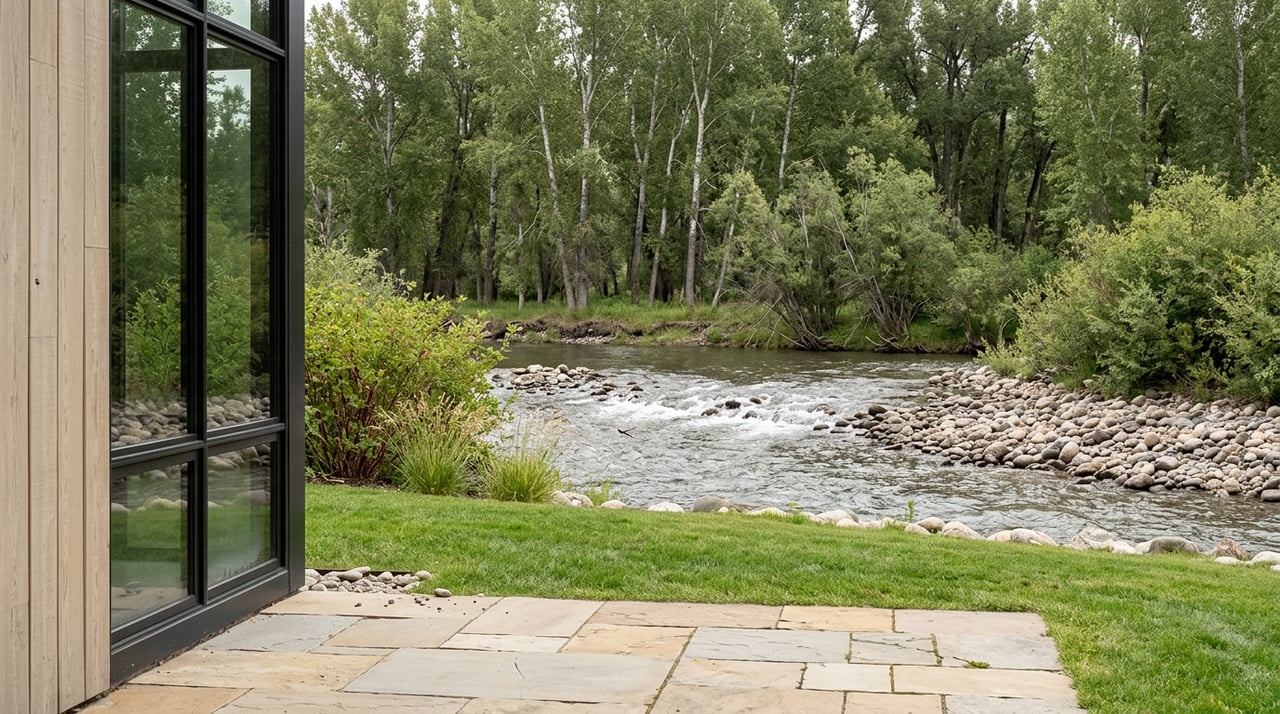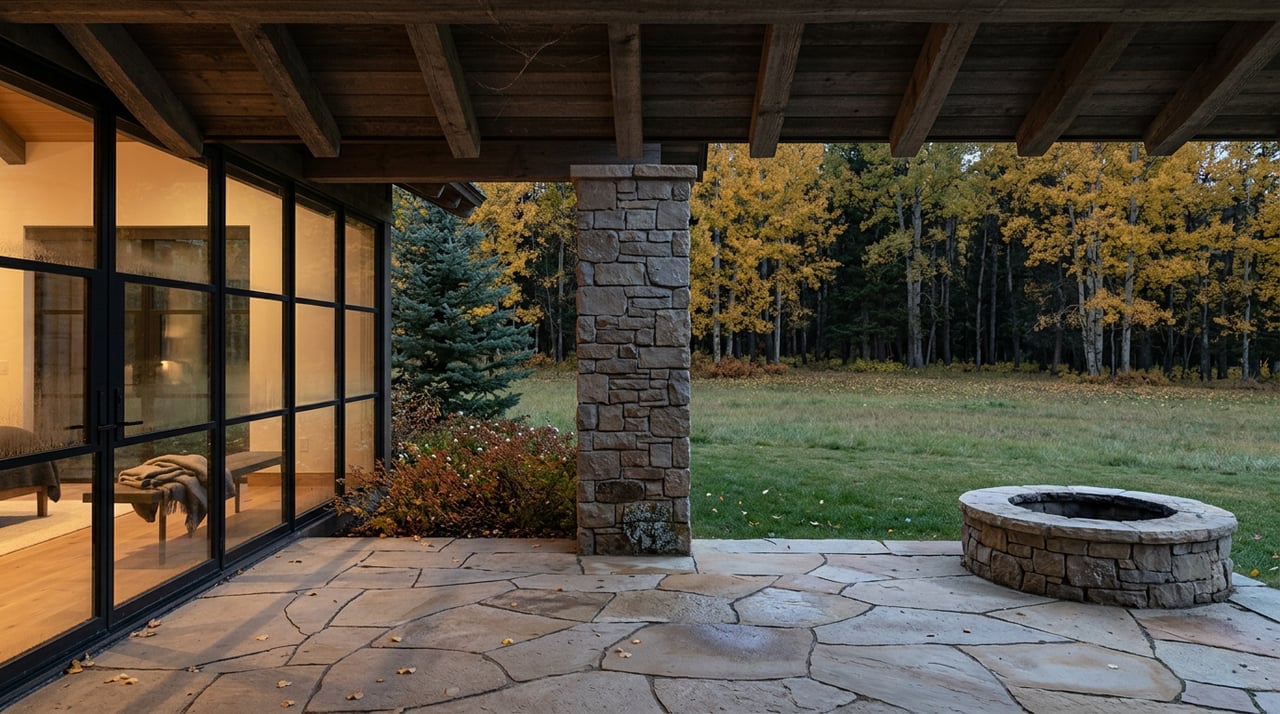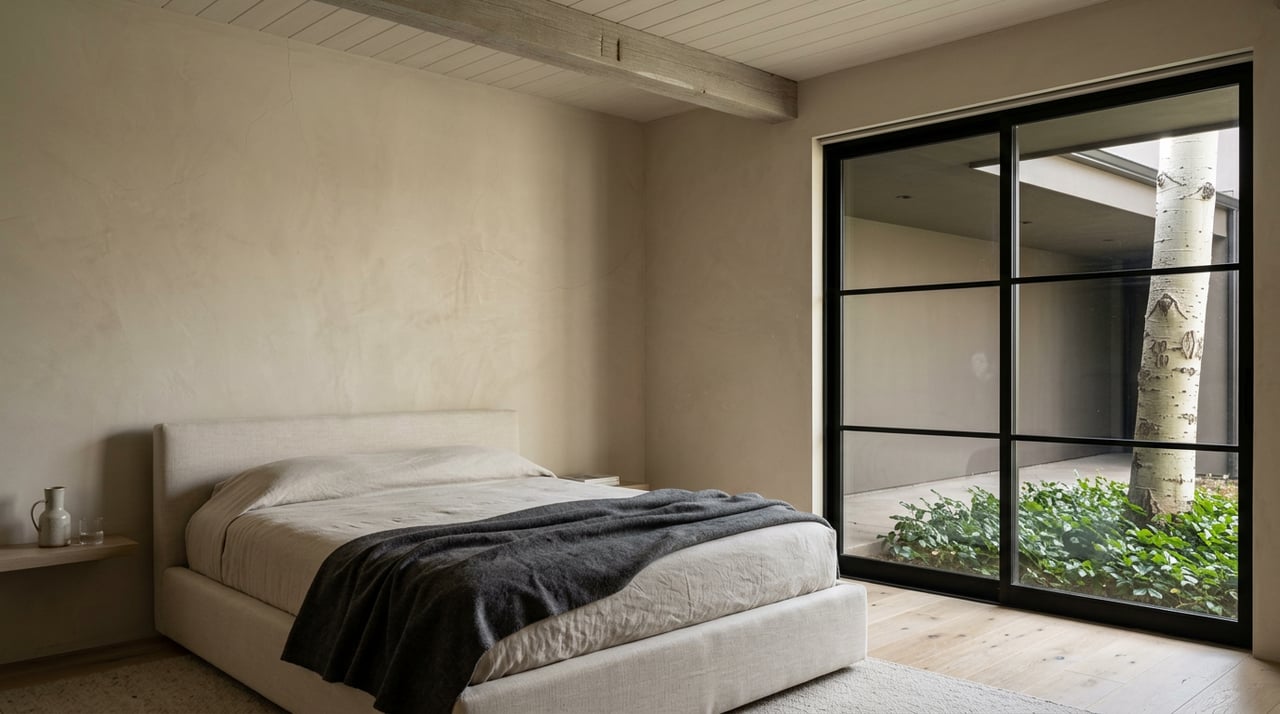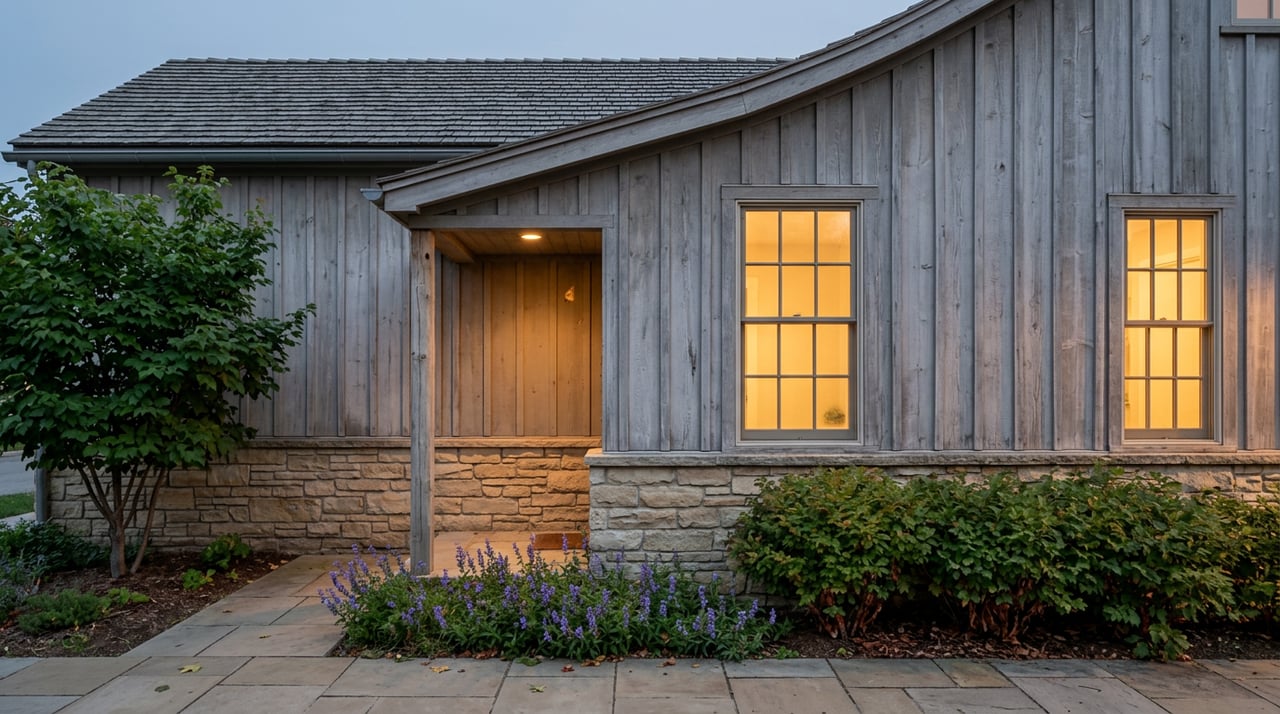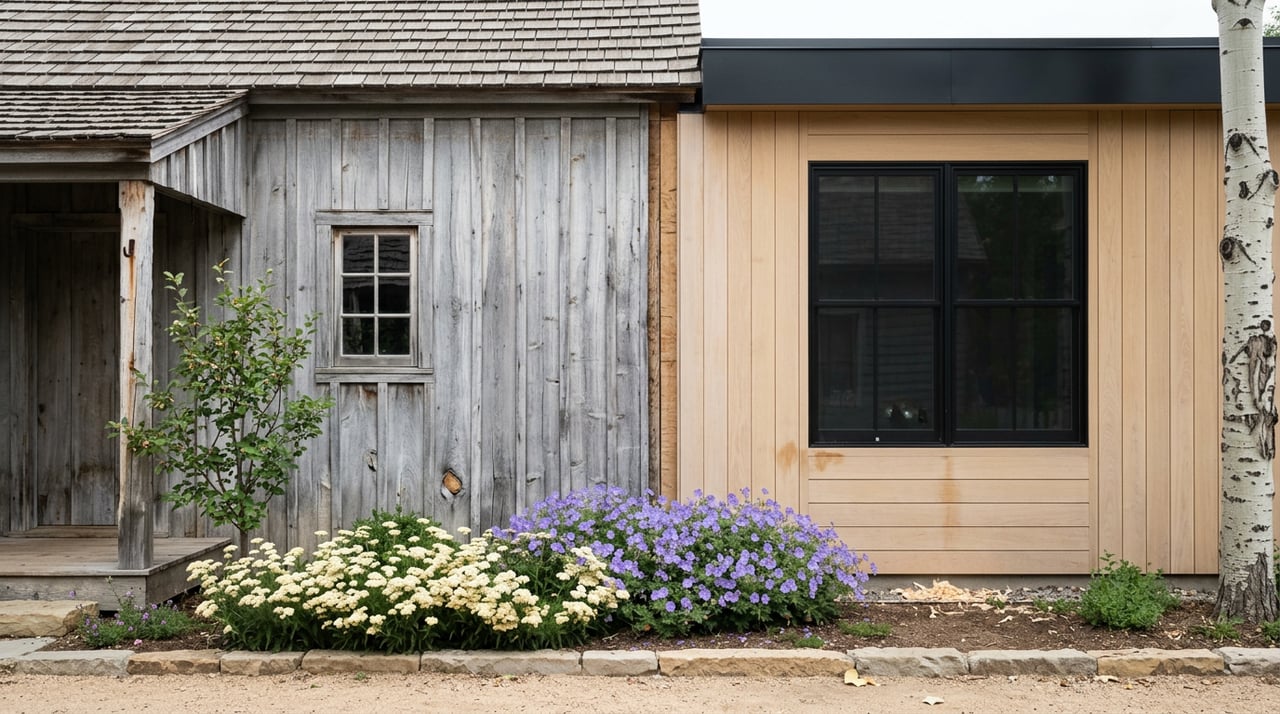
What does a 2,649-square-foot Victorian on a quiet West End street have in common with a sprawling compound on Red Mountain? On paper, almost nothing. In Pitkin County's floor area ledger, they're negotiating for the same thing, and the address that proves it just came before Aspen City Council.
On June 23, 2026, the council approved Ordinance 12, creating a single transferable development right for a small historic house at 406 W Smuggler Street. The name causes confusion even among people who think they know this town: this isn't the Smuggler neighborhood across the valley near Smuggler Mountain, it's a street inside the West End grid, a block from Triangle Park and the music school campus. The 1890 cottage on the lot sits at 3,353 square feet of existing building area, has a conditional Historic Preservation Commission approval for nearly 6,000 square feet of new development, and is listed at $11.75 million. The ordinance lets the owner carve one certificate, worth 250 square feet of floor area elsewhere in the city, out of that entitlement, in exchange for protecting the original cabin and allowing a duplex behind it.
That single sentence of city business is a better explanation of Aspen real estate value than any median price you'll find on a portal.
The Price Nobody Puts on a Sign
Two Aspen sales closed about five weeks apart this year and, taken together, they undercut the assumption most out-of-town buyers walk in with. In May 2026, the second of three new West End townhomes at 109 W Bleeker St closed at $25 million, or $4,940 per square foot. In June, the third and final unit at 103 W Bleeker closed at $25 million as well, this time at $5,154 per square foot.
Compare that to the most expensive residential closing in Colorado history: 419 Willoughby Way on Red Mountain, which sold for $108 million in April 2024. On a dollar basis nothing in the valley comes close. On a per-square-foot basis, it closed at $4,820, below what brand-new West End construction is now fetching. The standing record for the highest price per square foot ever paid in Aspen still belongs to a downtown penthouse, 233 E Cooper PH3, which closed at $8,215 per square foot in December 2024. Not a mountain estate. A condo above a downtown block.
Local appraiser Randy Gold's year-end review of 2025 closed sales lays out the same pattern by neighborhood:
| Neighborhood | Price per square foot, 2025 |
|---|---|
| Central Core | roughly $5,800 |
| West End | roughly $3,300 |
| Smuggler | roughly $2,800 |
| Red Mountain (recent large sales) | $3,682 to $4,820 |
Red Mountain's average sale price in 2025 was $22.38 million, the highest in town, down from $32.09 million in 2024 as fewer ultra-estate transactions closed. The West End averaged $13.28 million, up from $10.98 million. The Central Core averaged $8.47 million, up from $6.32 million. Rank those neighborhoods by average price and Red Mountain wins by a wide margin. Rank them by what a square foot actually costs and the order flips.
Why the Hill and the Grid Play by Different Rules
The explanation sits in what each neighborhood is rationing. Red Mountain lots are large, and the building envelope allowed on them is generous relative to that size. What buyers are competing for up there is privacy, the view corridor across Ajax and Independence Pass, and a gated setting. Adding square footage on Red Mountain is mostly a construction-cost problem, not an entitlement problem.
In the Central Core and the West End, the opposite is true. Aspen's Floor Area Ratio limits, its historic preservation rules, and the city's cap on demolition permits (six per year, plus a small allowance for long-term residents) all restrict how much a given lot can hold, regardless of what a buyer is willing to pay to expand it. A West End parcel with mature trees and a Victorian on it is not competing on land. It's competing on the finite number of square feet the city will let anyone build there, ever. That's why the smallest lots in town, not the largest ones on the hill, are setting the highest per-foot prices this year.
Two TDR Markets, Telling Opposite Stories
The clearest proof of this sits in Aspen's Transferable Development Rights program, which runs as two separate markets that almost never get compared directly.
City of Aspen historic preservation TDRs, like the one just created at 406 W Smuggler, each carry 250 square feet of floor area. Gold's tally puts the most recent sale at $725,000, up from $600,000 to $675,000 in 2024, which he calculates at roughly $2,800 for every square foot the certificate is worth.
Pitkin County TDRs, generated by sealing off backcountry land from development, each carry 2,500 square feet, ten times the floor area. Their price has gone the opposite direction: from a 2022 peak of $2.5 million down to roughly $700,000 to $800,000 recently. Divide that out and a county TDR costs somewhere around $280 to $320 per square foot.
Set those two numbers side by side and the sticker prices look almost identical, both certificates trade for somewhere in the $700,000s. But the buyer of a city TDR is paying nearly ten times more per square foot than the buyer of a county TDR. One market is pricing a few hundred square feet of legal permission to build inside a walkable grid where almost nothing new gets approved. The other is pricing a much larger allotment of floor area that can technically be used almost anywhere in the county, where land has never been the constraint. The certificate at 406 W Smuggler didn't enter a shrinking market because Aspen is short on land. It entered a shrinking market because Aspen is short on legal square footage inside the boundary where people actually want to live.
What This Means If You're Comparing Neighborhoods
If you're weighing a West End address against a Red Mountain one, the average sale price on a flyer will tell you almost nothing about what you're actually buying. Ask for price per square foot instead, and ask what's driving it. On the hill, you're bidding on land, privacy, and view. In town, you're bidding on a building envelope that the city has already decided cannot grow past a fixed number, no matter what anyone offers.
That distinction matters most if renovation or expansion is part of the plan. Before falling for a compact in-town property, it's worth knowing its current floor area, its historic status, and whether the lot could generate or absorb a TDR. A property that looks modest at first showing may already carry an approved path to nearly double its size, the way 406 W Smuggler does. A property on open acreage may never need that kind of entitlement math at all, because the constraint there was never square footage to begin with.
Aspen's headline numbers get all the attention. The floor area behind them is where the real decisions get made.
If you're trying to read a listing's price per square foot against what it can actually become, or you want to understand what a TDR attached to a property is worth before you make an offer, Michael Latousek can walk through the specifics with you. Let's Connect.